Photographs, 2015-23
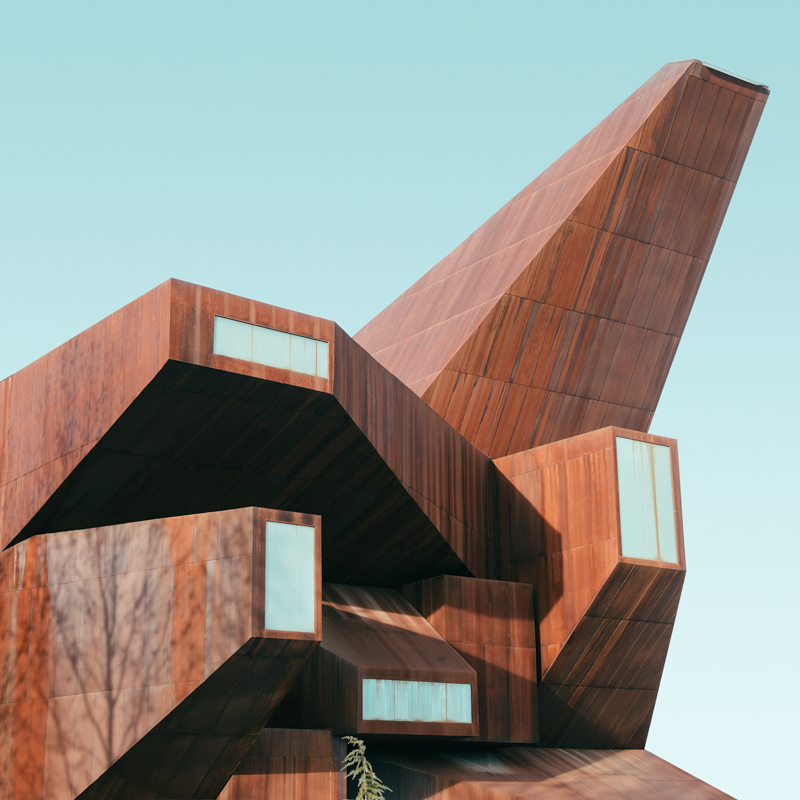
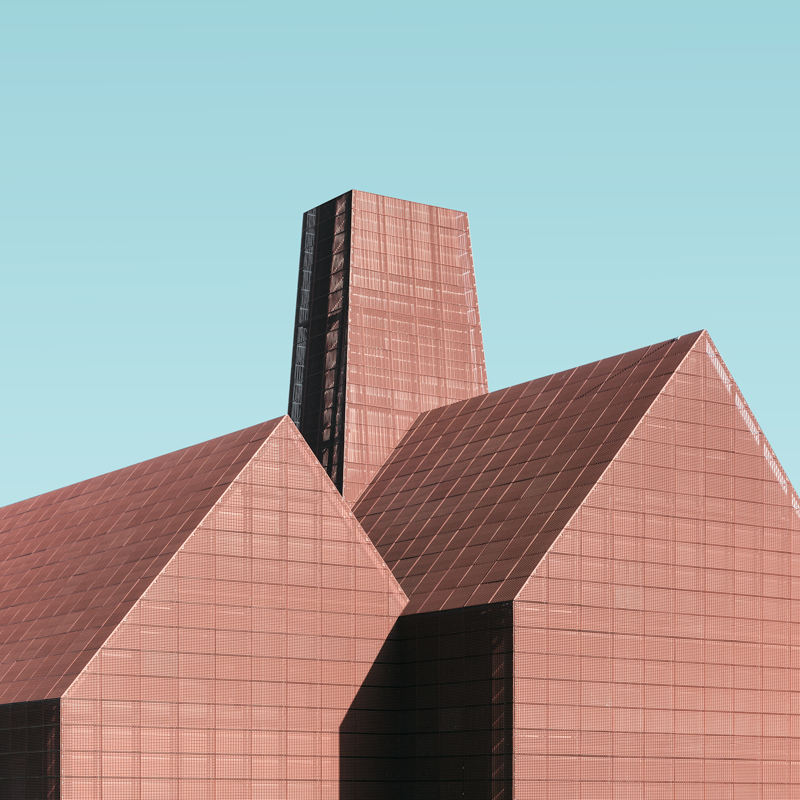
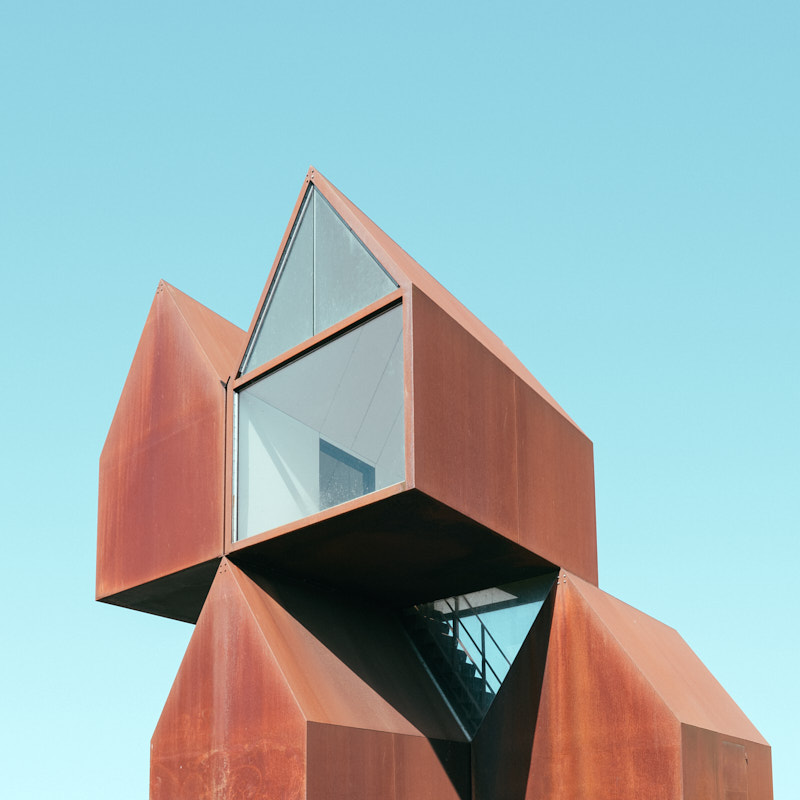
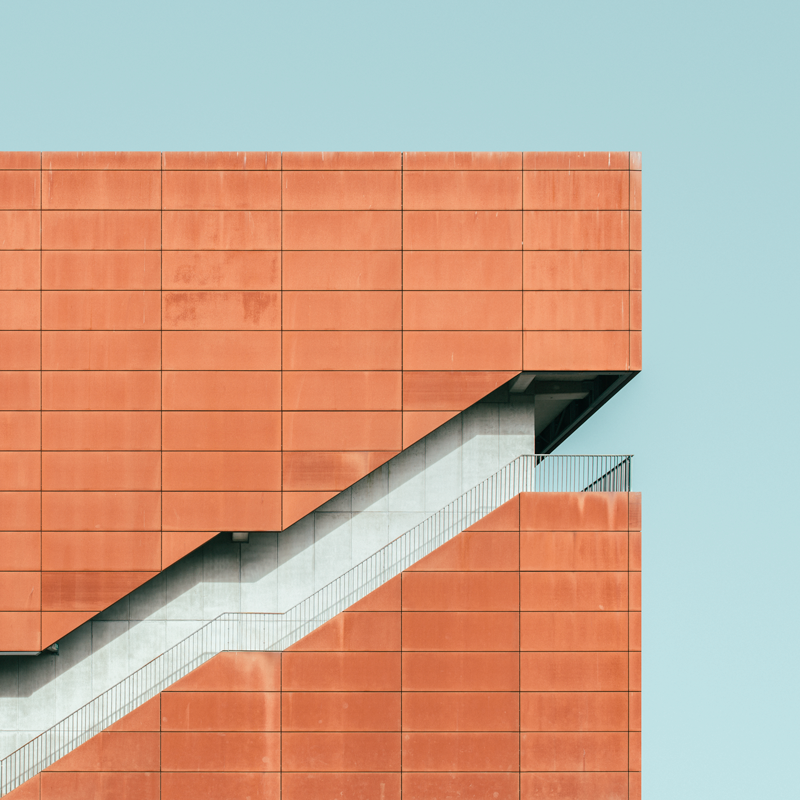
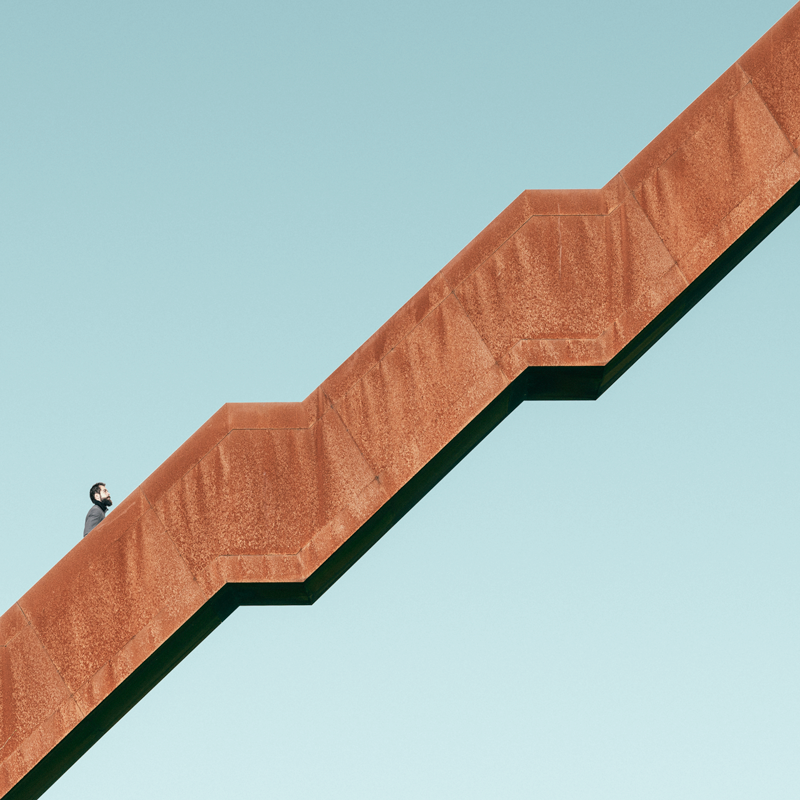
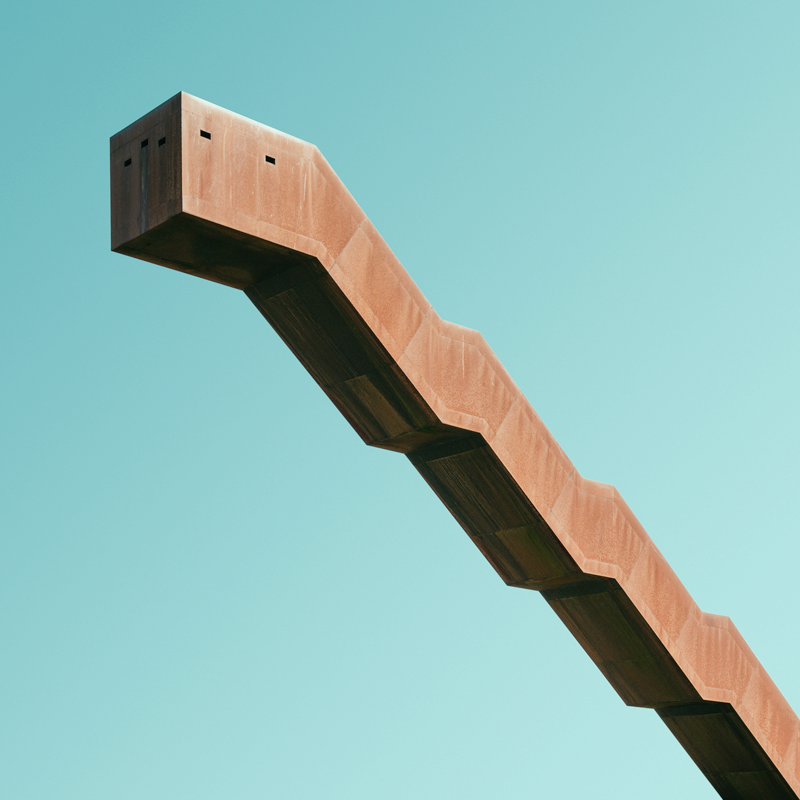
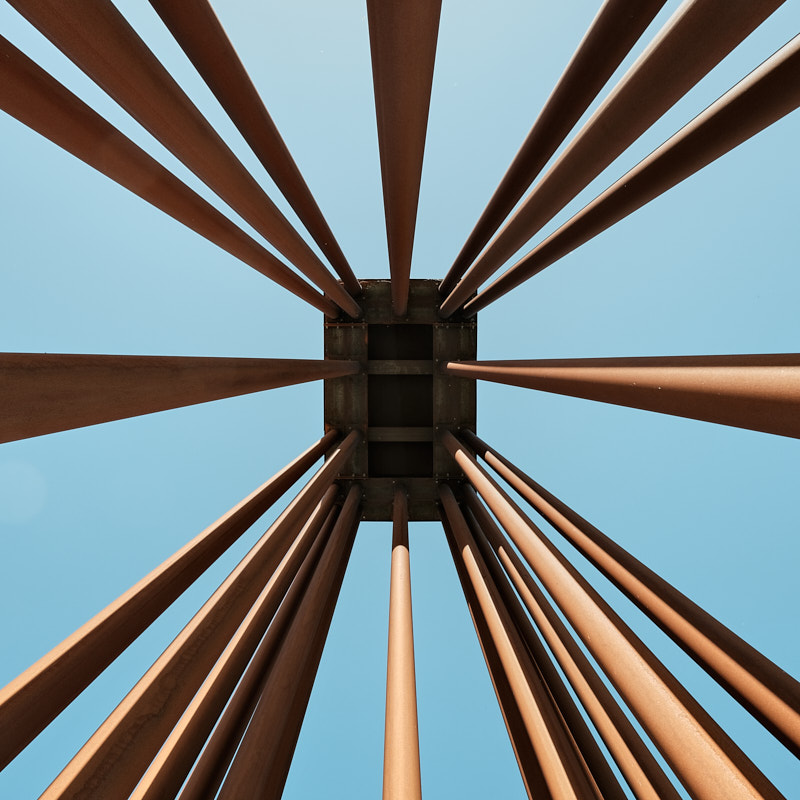
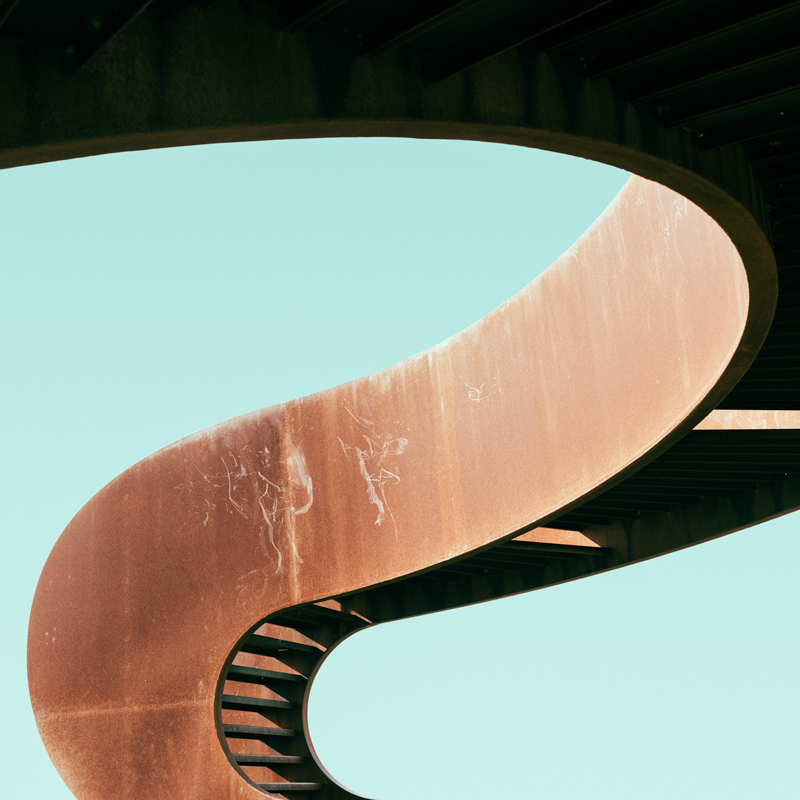
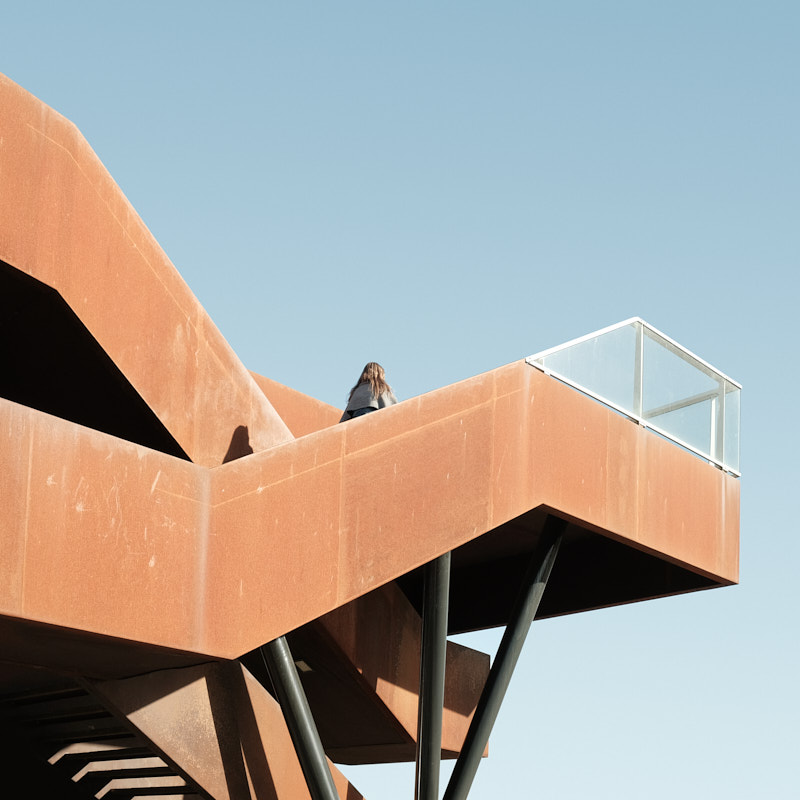
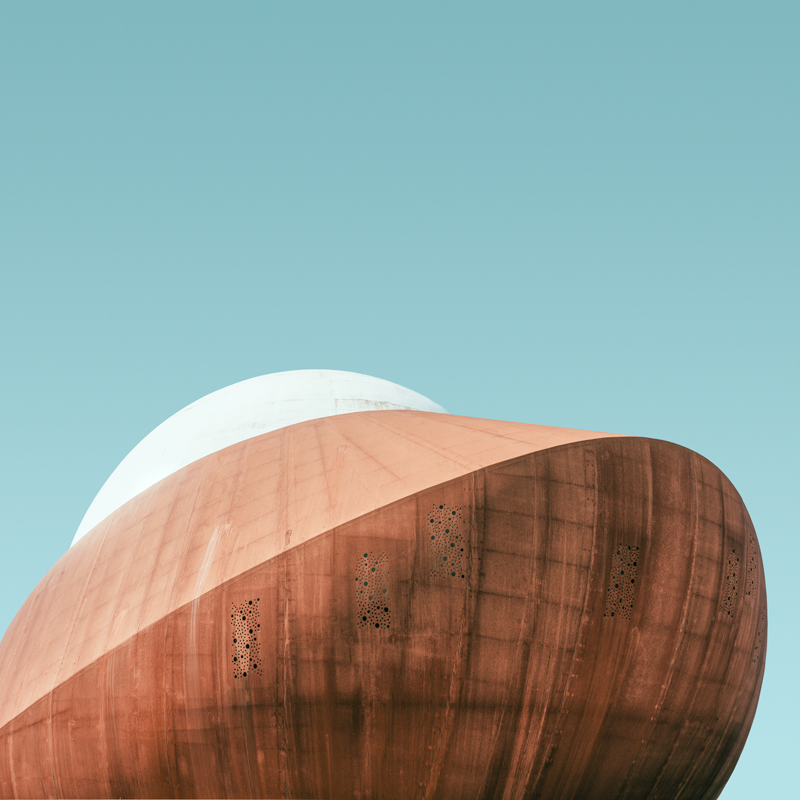
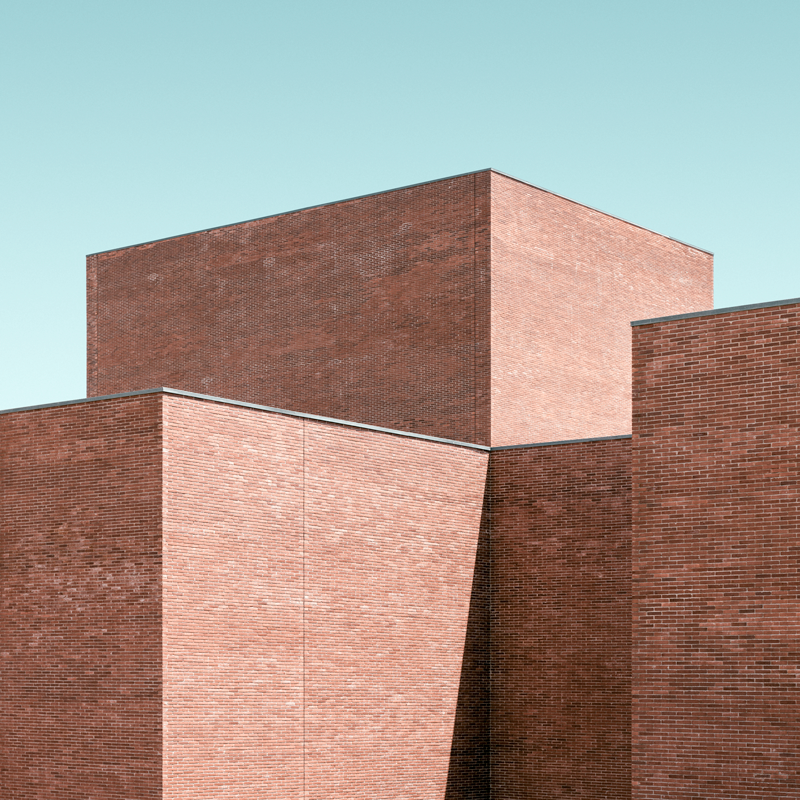
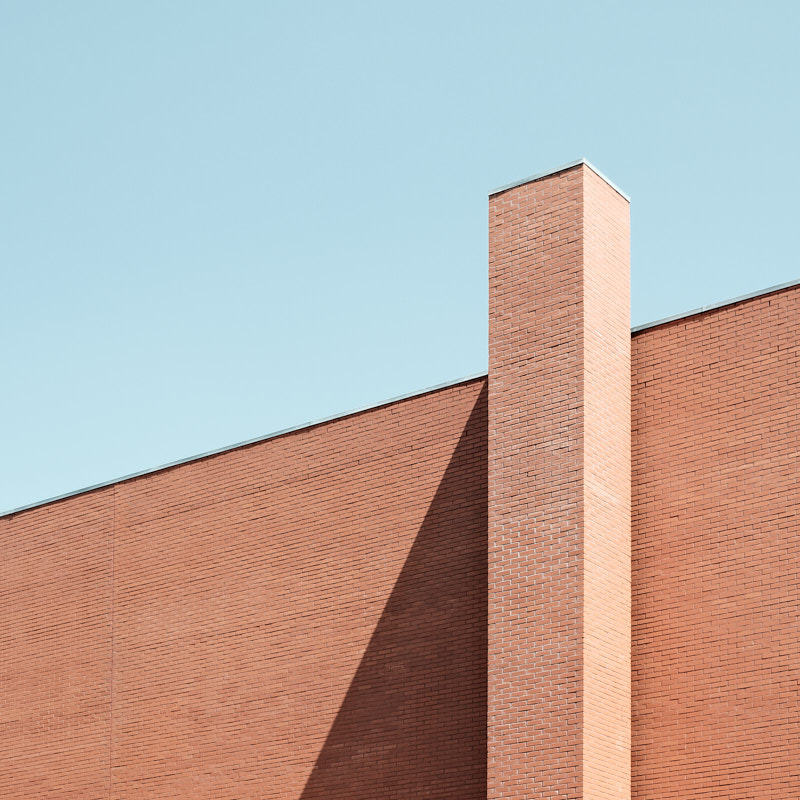
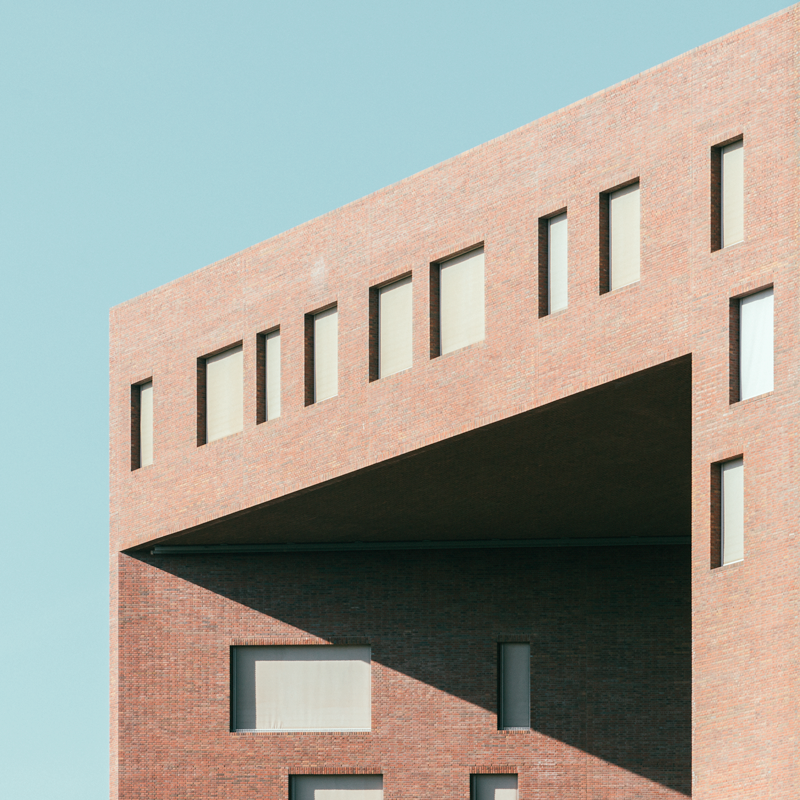
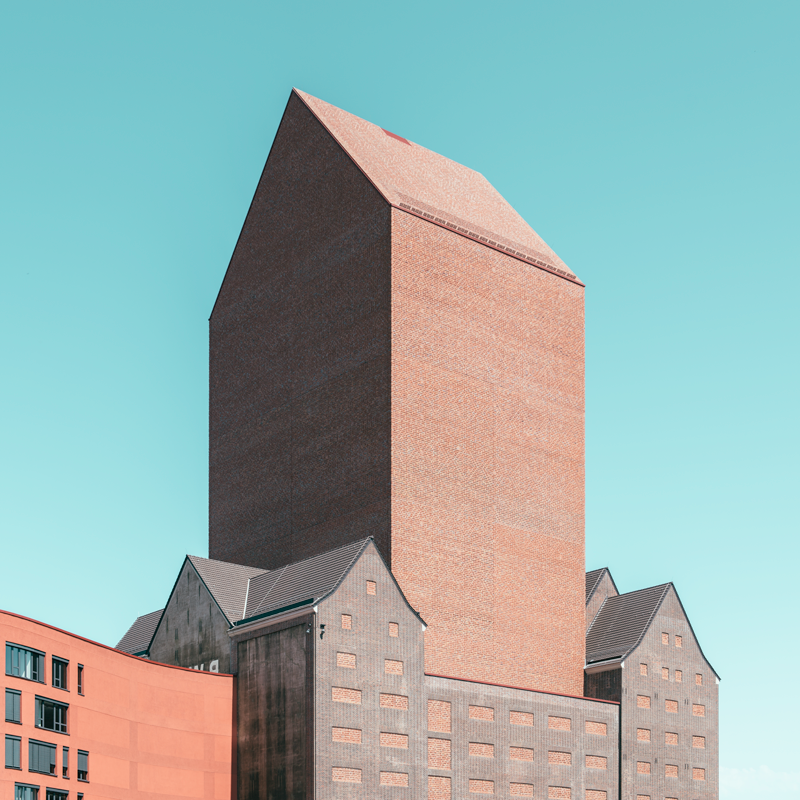
In color spectrum one, I explore how architecture shifts when color becomes the primary structure of the image. The series is built around a palette of reds, earthy tones, and rusty surfaces. Colors that carry both warmth and weight. These hues are not chosen for decoration; they are drawn from the buildings themselves, from the way materials age, weather, and absorb light.


I’m fascinated by how these tones behave once the surrounding context is removed. Red, for instance, becomes a force: bold, directional, almost architectural in itself. It can feel energetic or restrained depending on how it meets a shadow or a line. Earthy colors, ochres, muted browns, sun‑faded oranges introduce a grounded calmness. They soften the geometry without diminishing its clarity. And rust tones add a sense of time: the quiet evidence of oxidation, exposure, and transformation. Rust is both decay and beauty, a reminder that even the most rigid structures evolve.


By isolating these colors and reducing the compositions to their essential forms, the images move toward abstraction. The façades dissolve into planes; shadows become boundaries; gradients turn into atmospheres. The architecture remains present, but it is no longer the subject. Instead, color becomes the framework through which the viewer experiences space, temperature, and emotion.


Color spectrum one is ultimately an exploration of how color can reshape perception. These tones—red, earthy, rusty—carry histories and moods that extend beyond the buildings they originate from. They invite the viewer to slow down, to notice subtle shifts, and to experience architecture as a spectrum rather than a structure.